Tracing the Lineage of Fruit Symbol Traditions from Mechanical Origins to Modern Video Reel Formats
Rosa Butler · Jul 20, 2026
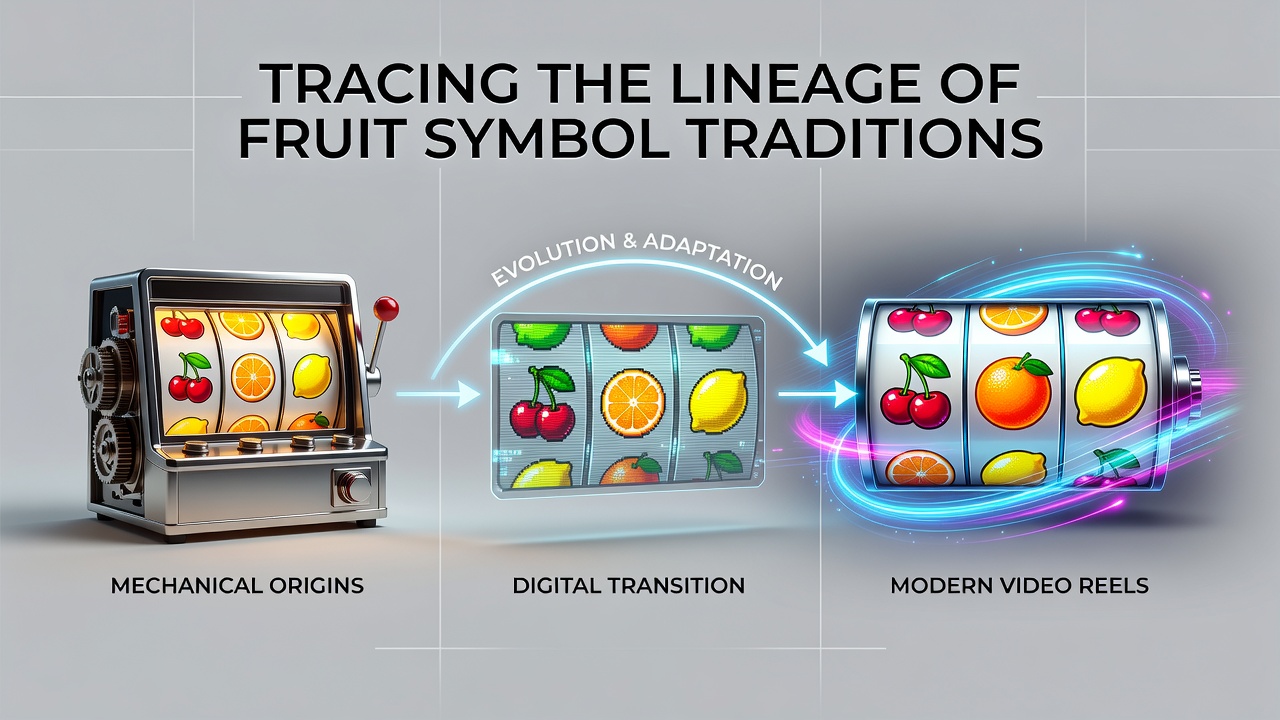
Tracing the Lineage of Fruit Symbol Traditions from Mechanical Origins to Modern Video Reel Formats
Fruit symbols trace their roots back through more than a century of slot machine evolution, moving from heavy cast-iron cabinets with physical reels to lightweight digital interfaces that replicate those same icons on video screens, and observers note how this lineage reflects broader shifts in technology, regulation, and player engagement across global markets.
Mechanical Foundations in the Late 19th Century
Charles Fey assembled the first three-reel slot machine known as the Liberty Bell in 1895, using symbols that included horseshoes, stars, and bells rather than fruit at the outset, yet this San Francisco invention established the core reel-and-stop mechanism that later machines would adapt, and data from the Nevada Gaming Control Board shows how such devices laid groundwork for regulated gaming floors that expanded dramatically in the decades after World War II.
Early operators soon introduced fruit imagery because many jurisdictions restricted cash payouts on gambling devices, so manufacturers substituted tokens exchangeable for chewing gum or other merchandise, and the familiar cherry, lemon, orange, and plum icons became standardized on machines produced by firms such as Mills Novelty Company during the 1910s and 1920s.
Regulatory Pressures and Symbol Standardization
During the Prohibition era and subsequent decades, fruit symbols allowed machines to operate under the legal fiction of vending equipment, which researchers at the University of Nevada, Las Vegas documented in historical analyses of American gaming, and this workaround persisted even as electromechanical models with hoppers for automatic coin payouts appeared in the 1960s.
By the mid-20th century, manufacturers refined paytables around combinations of three identical fruits or mixed sequences that awarded small prizes, creating visual patterns players quickly recognized, while the same icon set crossed the Atlantic and influenced British one-armed bandits that operated under amusement-with-prizes licensing frameworks.
Transition to Electronic and Video Formats
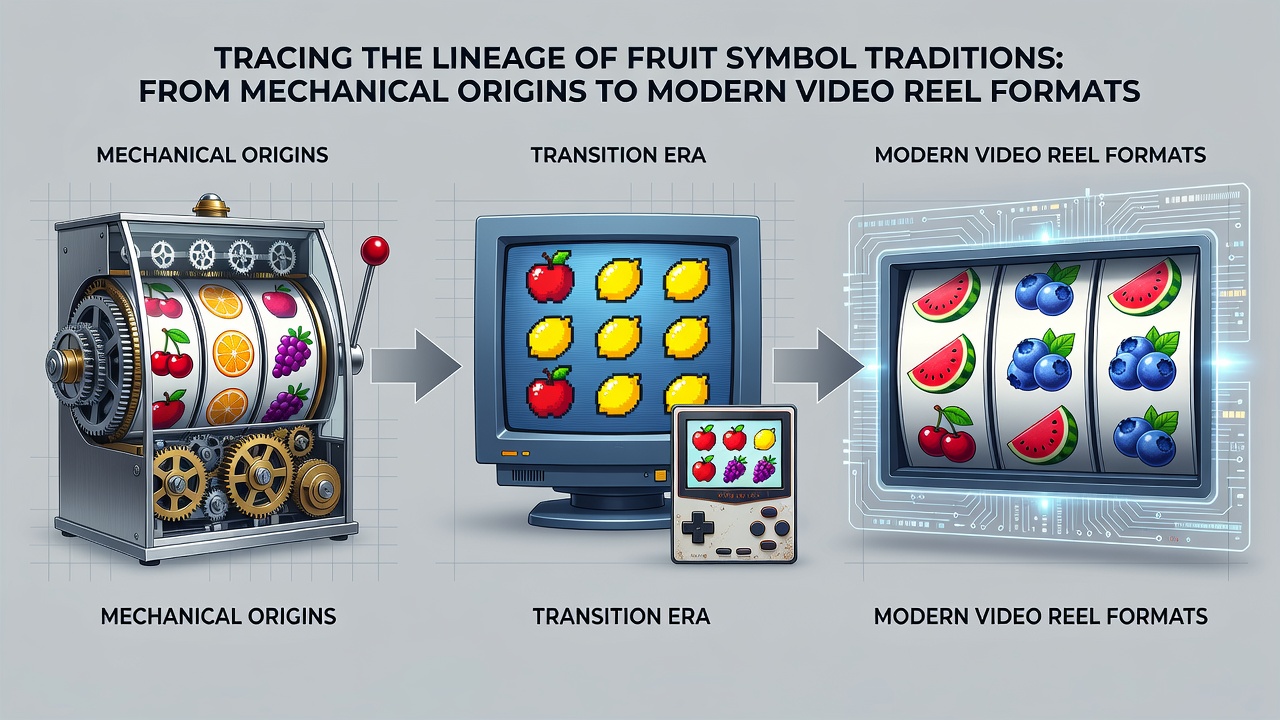
Fortune Coin Company introduced the first fully electronic video slot in 1976 at a Las Vegas casino, replacing physical reels with a cathode-ray tube display that simulated spinning symbols, and this innovation preserved fruit imagery because players already associated those shapes with winning combinations from decades of mechanical play, according to industry timelines compiled by the American Gaming Association.
Video technology accelerated in the 1980s and 1990s as random-number generators replaced physical stops, allowing developers to increase reel counts and symbol variety without enlarging cabinet size, yet fruit traditions remained embedded in payline structures and bonus triggers even as five-reel video formats became industry standards by the early 2000s.
Digital Adaptations in Contemporary Reels
Software providers now render fruit symbols in high-definition animations with particle effects and synchronized sound, yet the underlying hierarchy of cherry as lowest payer through to seven or bar combinations as higher rewards mirrors mechanical paytables from the 1930s, and figures released in July 2026 by the Nevada Gaming Control Board indicate that themed video slots incorporating classic fruit elements continue to generate consistent revenue on both land-based and online platforms.
Game designers layer additional mechanics such as cascading reels or multiplier wilds onto these familiar icons, which maintains recognition for long-time players while introducing new engagement layers, and studies from European gaming research centers confirm that visual continuity with historical symbols reduces the learning curve for users transitioning between physical and digital formats.
Global Variations and Persistent Motifs
Markets outside the United States adapted fruit traditions differently, with Australian poker machines often incorporating fruit alongside local flora and Asian video slots sometimes blending fruit with cultural motifs, whereas Canadian provincial gaming authorities report steady deployment of both retro-styled and fully modernized fruit-reel titles across their networks.
Online platforms replicate these symbols across multiple jurisdictions, using identical graphic assets on mobile and desktop clients, which allows seamless continuity when players move between formats, and trade association reports highlight how this consistency supports responsible gaming messaging that references long-established icon meanings.
Conclusion
Fruit symbol traditions have endured because they encode recognizable value hierarchies that originated in mechanical constraints, evolved through regulatory adaptations, and translated directly into video reel programming, and ongoing technological refinements ensure these icons remain central to slot design even as hardware and distribution channels continue to advance.