The Hidden Architecture Linking Payment Authorization Protocols with Progressive Reward Unlocks in Portable Slot Simulations
Parker Schulz · Jul 2, 2026
The Hidden Architecture Linking Payment Authorization Protocols with Progressive Reward Unlocks in Portable Slot Simulations
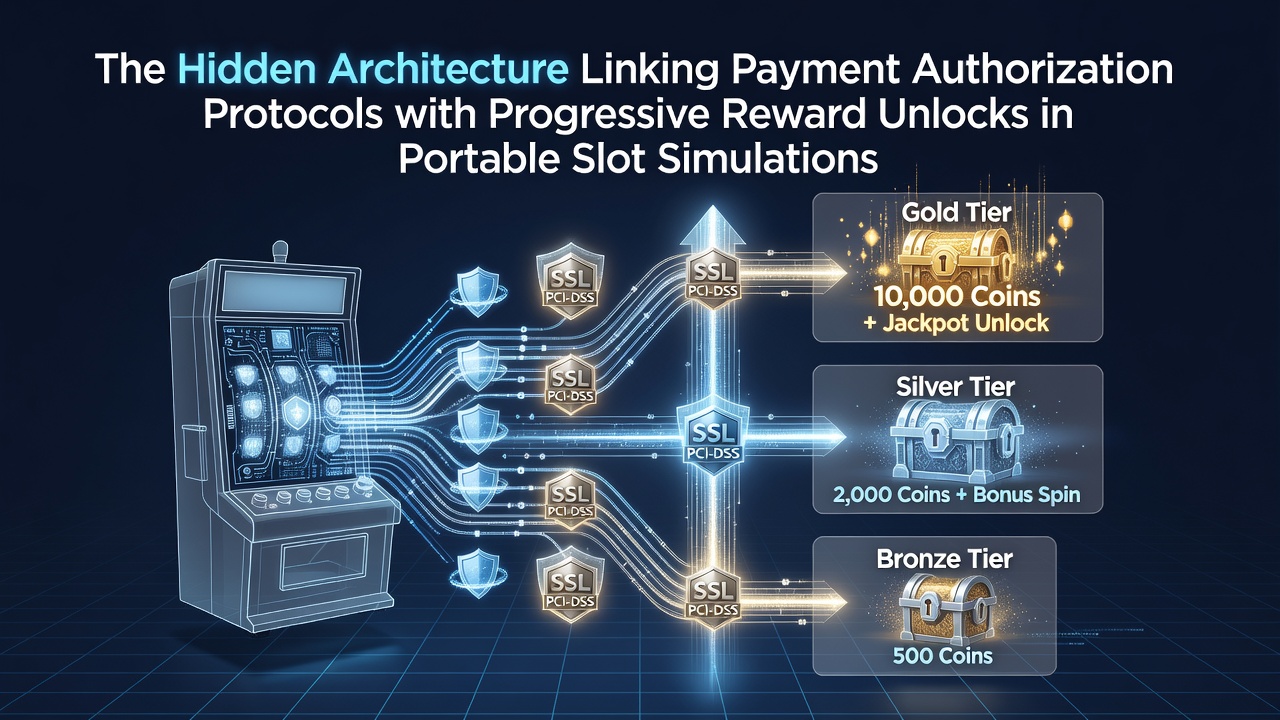
Payment authorization protocols form the backbone of secure transactions in portable slot simulations, and these systems connect directly to progressive reward mechanisms through layered backend architectures. Real-time verification processes trigger incremental unlocks as players complete authorized deposits or meet spending thresholds, creating a seamless progression from funds movement to feature access. Developers embed these connections using standardized APIs that exchange tokenized data between payment gateways and loyalty engines, ensuring each authorization event updates player profiles without latency.Core Components of Payment Authorization in Mobile Environments
Tokenization replaces sensitive card details with unique identifiers during every transaction, and this step occurs before any reward calculation begins. Protocols such as EMV 3-D Secure add an extra authentication layer, yet they operate in parallel with reward tracking modules that monitor authorization success rates. When a payment clears, the system logs the event and advances the player's position along predefined reward tiers, where cumulative authorizations determine access to free rounds or multiplier boosts in the simulation.
Observers note that portable platforms rely on cloud-based orchestration layers to synchronize these elements across devices, and the architecture prevents reward unlocks from activating until authorization confirmation arrives from the issuer bank. Data packets travel through encrypted channels that comply with global security standards, while progressive counters increment based on verified amounts rather than attempted transactions.
Progressive Reward Unlocks and Their Technical Triggers
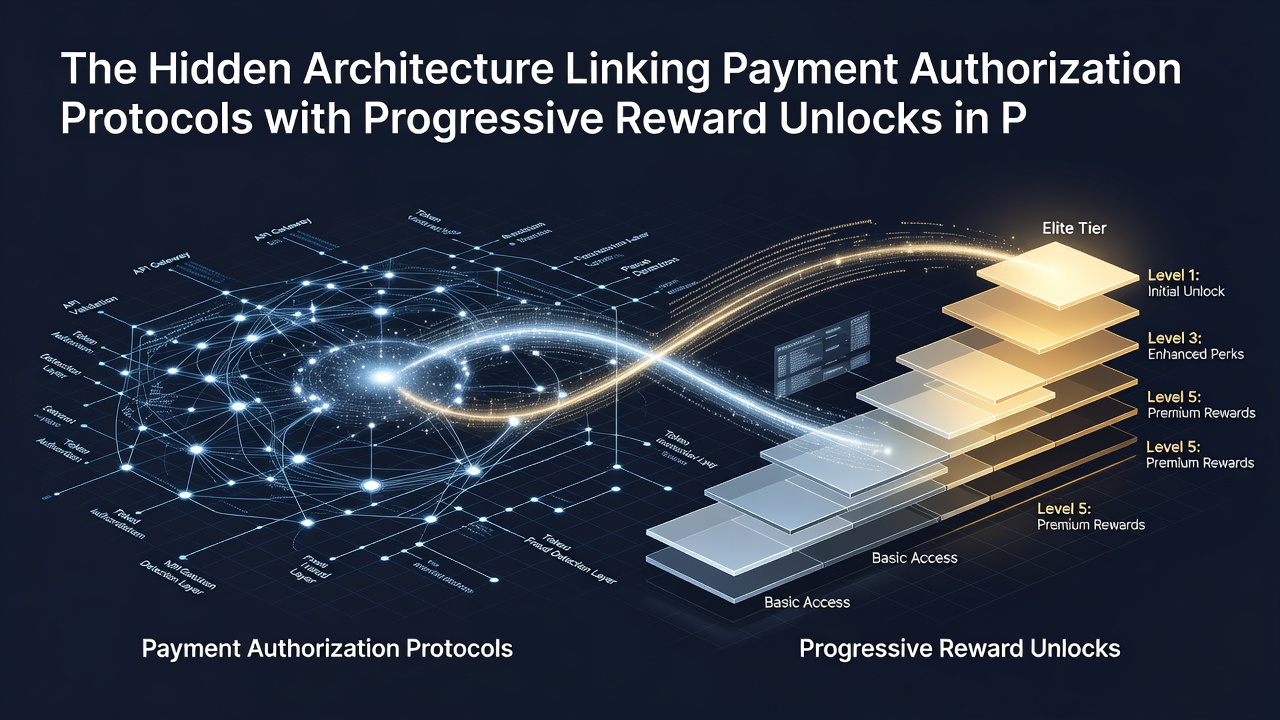
Reward systems in portable slot simulations use tiered structures that escalate with each authorized payment milestone, and these tiers unlock visual enhancements or bonus mechanics inside the game interface. The linkage appears through event-driven scripts that listen for authorization callbacks, then apply conditional logic to release corresponding rewards. Researchers at academic institutions have documented how this integration reduces player friction by eliminating separate redemption steps.
Integration Patterns Across Global Platforms
Industry reports from the American Gaming Association highlight similar architectures in North American deployments, where payment success directly feeds into loyalty dashboards visible on mobile screens. Meanwhile, analyses from the European Gaming and Betting Association describe comparable models in EU-regulated environments that emphasize real-time data exchange between authorization services and reward databases. These patterns show consistent use of microservices that isolate payment processing from game logic while maintaining synchronized state across both domains.
In July 2026, platform operators reported measurable increases in session continuity when authorization and reward systems shared unified event streams, and this approach allowed progressive unlocks to reflect the most recent transaction status without manual intervention. Portable simulations benefit because the same authorization token can carry metadata that influences reward eligibility, streamlining the entire player journey from deposit to feature activation.
Security Considerations in Linked Systems
Encryption standards protect the data pathways that connect payment authorization to reward progression, and multi-factor checks occur at both ends of the transaction lifecycle. Any mismatch between authorization records and reward triggers prompts automatic reconciliation routines that maintain system integrity. Those who have examined these setups observe that fraud detection algorithms monitor for unusual authorization patterns that could affect reward distribution fairness across player accounts.
Conclusion
The architecture linking payment authorization protocols with progressive reward unlocks operates through coordinated APIs, tokenized exchanges, and event listeners that respond to transaction outcomes. Portable slot simulations leverage this structure to deliver incremental benefits tied directly to verified payments, and ongoing refinements continue to enhance both security and operational efficiency in mobile environments.