Navigating Regulatory Landscapes: How Compliance Shapes Engagement in Digital Slot Experiences
Rosa Butler · Jun 11, 2026

Navigating Regulatory Landscapes: How Compliance Shapes Engagement in Digital Slot Experiences
Regulatory frameworks across multiple jurisdictions continue to influence how digital slot platforms operate and how players interact with them. In June 2026, updates in several regions highlighted ongoing adjustments to licensing requirements, age verification protocols, and game fairness standards that operators must follow. These rules affect everything from game mechanics to payment processing and customer support systems.
Global Regulatory Variations and Their Reach
Different regions apply distinct approaches to digital slot oversight. The Nevada Gaming Control Board enforces strict technical standards for random number generators and payout reporting while jurisdictions like those overseen by the Malta Gaming Authority focus on consumer protection measures including spending limits and self-exclusion tools. Data from the American Gaming Association shows that operators in regulated markets allocate significant resources to compliance teams, often integrating automated monitoring systems that track player behavior in real time.
Compliance requirements also extend to advertising practices. Many authorities mandate clear disclosure of odds and prohibit certain promotional tactics that could mislead participants. This creates a more standardized presentation across platforms yet requires developers to redesign bonus structures and feature triggers to align with local statutes.
Impact on Game Design and Player Interaction
Game studios adjust reel configurations, volatility settings, and bonus round frequencies to meet fairness testing criteria imposed by independent laboratories. These modifications influence session length and engagement patterns since certified titles must demonstrate consistent return-to-player percentages over large sample sizes. Research from the University of Nevada, Las Vegas indicates that players in heavily regulated environments encounter fewer high-volatility options compared to less restricted markets.
Payment gateways face parallel scrutiny. Regulators require segregation of player funds, regular audits, and secure transaction logging. Such measures slow down some withdrawal processes but increase transparency, which operators report leads to higher retention among verified accounts. Platforms that streamline these steps while staying within guidelines often see smoother user flows from deposit to gameplay.
Technology Integration for Ongoing Compliance
Artificial intelligence tools now assist in monitoring for problem gambling indicators and enforcing session time limits. These systems flag unusual activity and trigger interventions such as reality checks or temporary account pauses. Figures released by iGaming Ontario reveal that jurisdictions with mandatory responsible gaming modules experience measurable shifts in average play duration and deposit frequency.
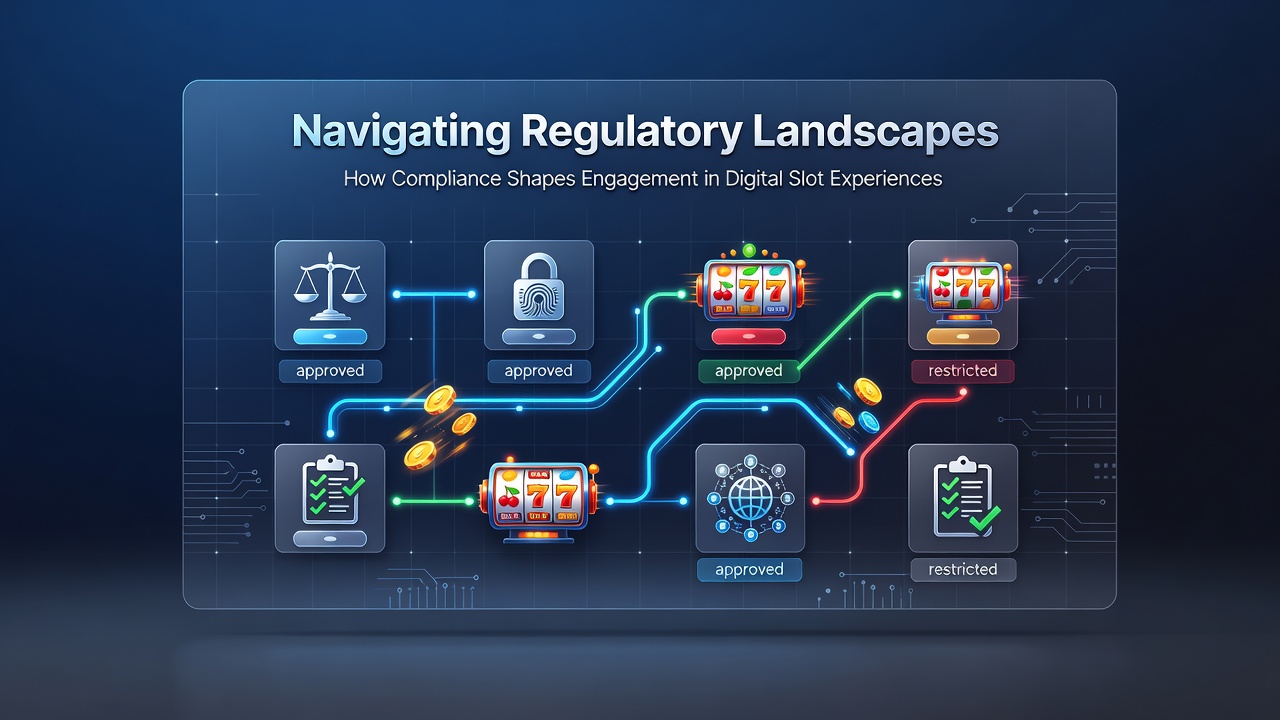
Operators also navigate cross-border challenges when serving international audiences. A single platform might need multiple license variants, each with its own set of technical and reporting obligations. This fragmentation encourages modular software architecture where core engines remain constant while regional overlays handle localization and rule-specific adjustments.
Future Developments and Industry Adaptation
As new licensing rounds open in emerging markets throughout 2026, compliance costs are expected to rise. Trade groups such as the European Gaming and Betting Association track these trends and publish aggregated data on how regulatory alignment correlates with platform stability. Providers that embed compliance checkpoints early in the development cycle reduce the need for post-launch patches that could disrupt player experiences.
Training programs for support staff now emphasize regulatory knowledge alongside traditional customer service skills. Representatives must understand jurisdiction-specific rules when assisting with account verifications or dispute resolutions. This layered approach ensures that engagement remains consistent even as underlying legal landscapes shift.
Conclusion
Digital slot engagement continues to evolve under the weight of diverse regulatory demands. Operators balance innovation with adherence to technical standards, consumer safeguards, and reporting mandates. The result is a more structured environment where platforms invest in verification systems, game certification, and responsible gaming features that shape how participants discover and interact with titles across borders.