Narrative Threads Shape Engagement Cycles in Randomized Digital Games
Parker Schulz · Jul 27, 2026
Narrative Threads Shape Engagement Cycles in Randomized Digital Games
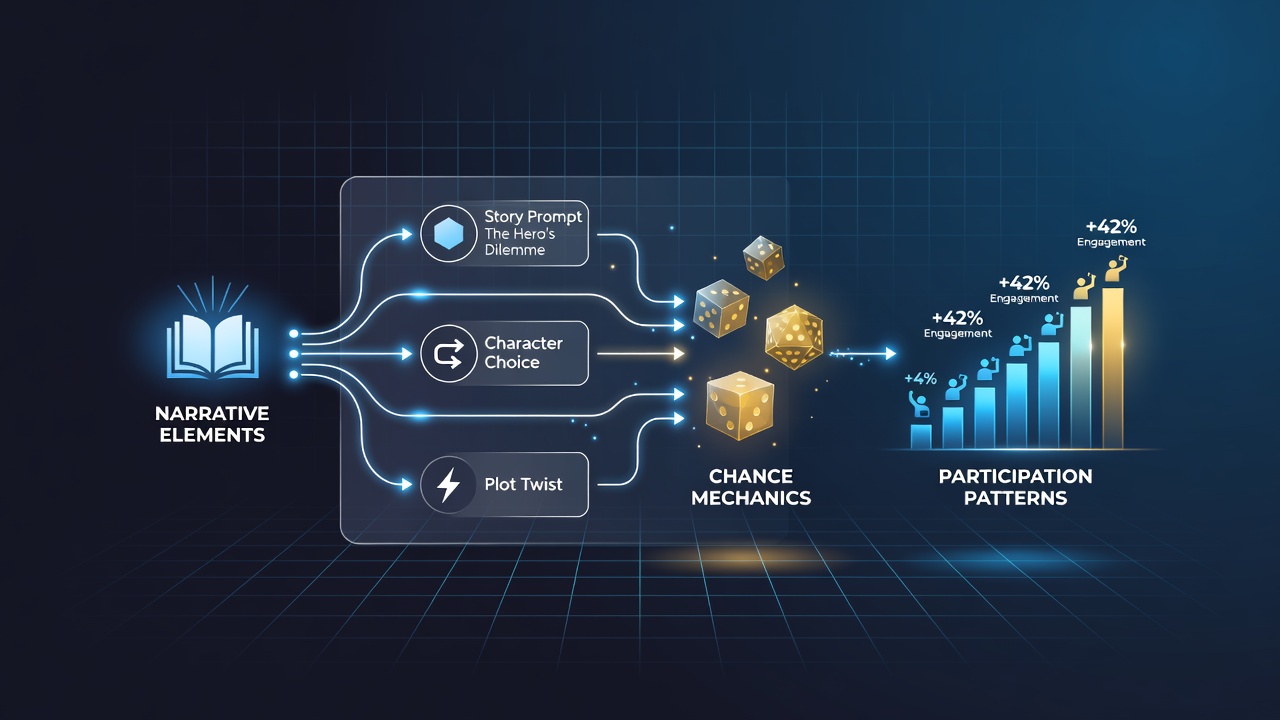
Chance-based digital entertainment relies on structured stories to direct how participants approach each session and when they decide to stop or continue, according to multiple academic reviews of player behavior data collected through 2025. Developers embed characters, plot arcs, and thematic progressions into games that otherwise depend on random number generators, creating frameworks that guide repeat interactions without altering core probability mechanics. Observers note that these elements appear across mobile titles, online casino platforms, and gacha systems where users collect items through repeated draws.
Core Components of Narrative Integration
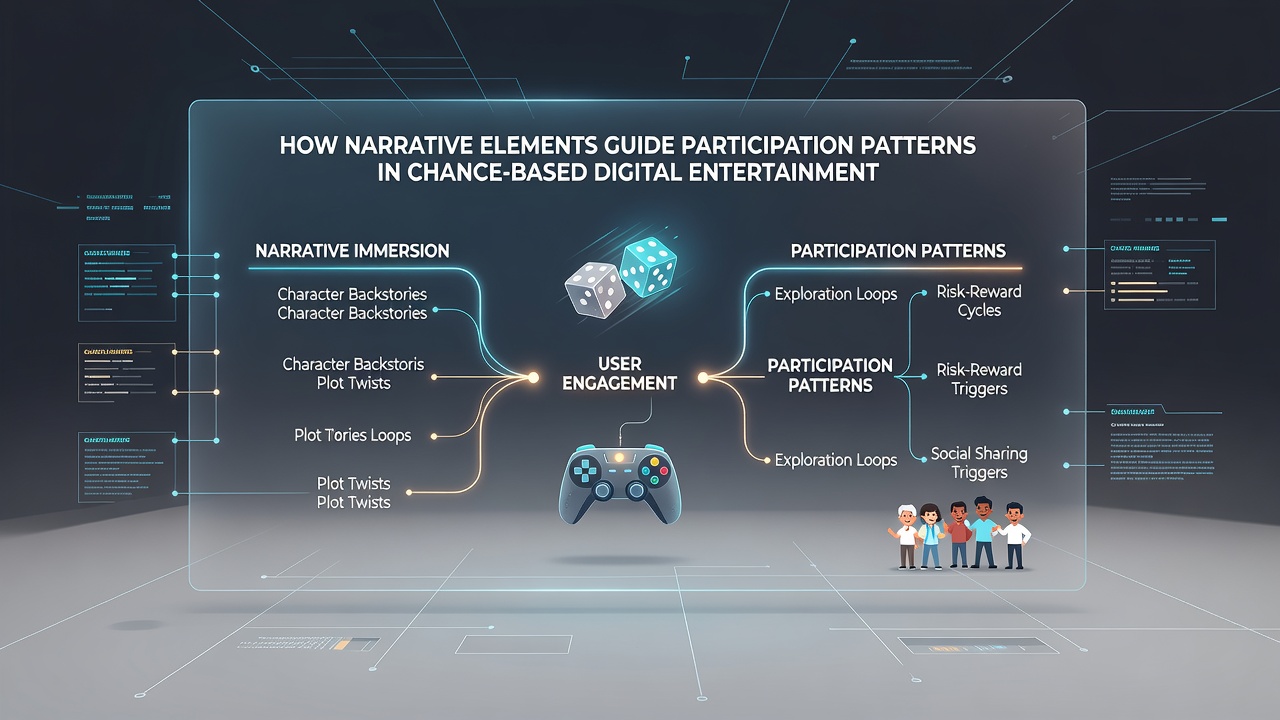
Basic narrative structures in these games typically include recurring characters who evolve through milestones, background lore that updates after certain outcomes, and sequential chapters that unlock based on cumulative participation rather than individual wins. Research from the University of Nevada's gaming studies program indicates that such layers correlate with extended session durations in datasets covering thousands of users across North American and European markets. The same analysis shows players interact more frequently with mechanics that tie random results to story advancement, even when payout rates remain constant.
Designers often introduce limited-time events tied to seasonal plotlines or character backstories, which data from platform analytics reveal as periods of heightened login rates. In July 2026, several major studios released updates that expanded ongoing sagas in popular chance-based titles, resulting in measurable spikes in daily active users according to aggregated industry telemetry. These updates maintain the random core while layering new objectives that reference prior narrative beats, encouraging participants to return at specific intervals.
Patterns Observed Across User Cohorts
Studies tracking participation reveal distinct behavioral clusters when narrative features are present versus stripped-down versions of the same games. One cohort analysis from an Australian research consortium found that users exposed to character-driven progressions completed 23 percent more sessions over a six-month period compared to control groups, though total spend patterns showed no direct causation from the stories alone. Instead, the narratives appeared to anchor routine check-ins around story milestones.
Another examination of European mobile game data highlighted how branching dialogue options or collectible lore entries influence the timing of in-game purchases, with users often aligning expenditures to narrative junctions rather than random win streaks. Those who've examined server logs across multiple titles note that completion rates for story-related collections rise sharply when developers release supplementary animations or voice lines that resolve ongoing plot threads.
Comparative Data from Regulatory and Academic Sources
Reports compiled by Canada's provincial gaming authorities through mid-2026 document how narrative framing affects self-reported session planning among participants in regulated online environments. Figures from these sources indicate that users who reference story elements in feedback surveys tend to set longer intended play windows than those focused solely on outcome probabilities. Similar patterns surface in aggregated findings from Japanese mobile gaming research groups, where gacha mechanics combined with episodic character stories show elevated retention metrics during arc climaxes.
Academic papers published in 2025 by teams at the University of Sydney examined longitudinal data and concluded that narrative cues function as temporal anchors, prompting returns aligned with virtual event schedules rather than purely random reinforcement schedules. The studies emphasize that these effects hold across different regulatory jurisdictions and do not modify the underlying random outcomes themselves.
Future Trajectories in Design Practice
Industry observers tracking July 2026 releases point to increased investment in adaptive story systems that respond to aggregate player statistics while preserving individual randomness. Several platforms now integrate cross-title narrative links, allowing progress in one chance-based game to influence story elements in another, a development noted in reports from the Interactive Games and Entertainment Association. These connections create broader participation loops that span multiple products without changing payout structures.
Data from ongoing platform monitoring continues to show that narrative density correlates with specific engagement rhythms, such as clustered logins around story chapter releases. Researchers continue to separate these patterns from financial metrics, focusing instead on time allocation and return frequency across diverse user bases.
Conclusion
Evidence gathered from academic institutions, regulatory bodies outside the United Kingdom, and industry analytics demonstrates consistent links between narrative structures and the timing plus frequency of participation in chance-based digital entertainment. These elements operate alongside random mechanics rather than overriding them, producing observable differences in how users structure their interactions over weeks and months. Continued documentation through 2026 will clarify whether emerging adaptive storytelling techniques sustain or alter these established patterns across global markets.