Gordon Brown Calls for Machine Games Duty Increase to Support Energy Bills
Ben Russell · Aug 27, 2026

Gordon Brown Calls for Machine Games Duty Increase to Support Energy Bills
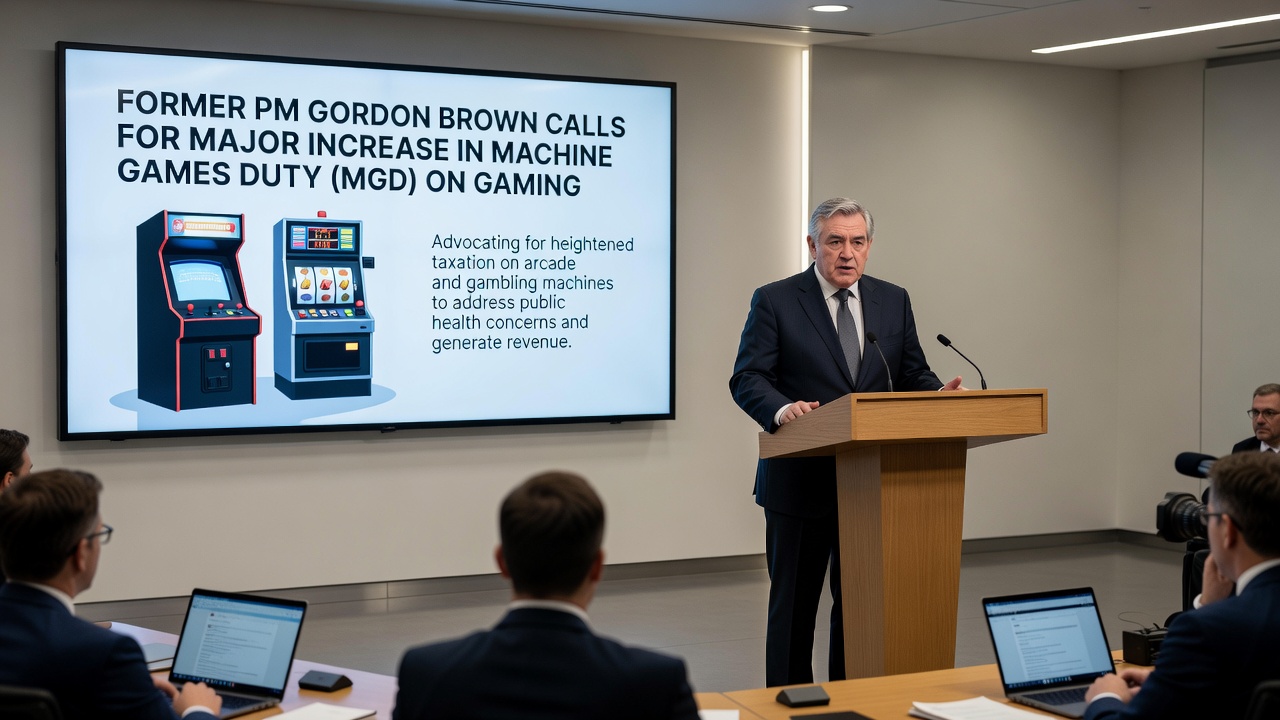
Gordon Brown has called for a substantial rise in machine games duty on gaming machines located in adult entertainment centres such as betting shops and adult gaming centres, and the former prime minister estimates this adjustment could generate up to £500 million in additional revenue to assist with rising household energy bills. The proposal singles out these specific venues while leaving bingo halls and pubs unaffected, and it positions the tax increase as a targeted measure to address immediate financial pressures on households during August 2026.
Scope of the Proposed Tax Change
The machine games duty applies directly to electronic gaming devices found in betting shops and adult gaming centres, and Brown’s suggestion focuses the rate increase exclusively on these locations rather than spreading it across the broader gambling sector. This distinction means operators in bingo halls and pubs would continue under existing duty levels, while betting shops and adult gaming centres face the higher rate intended to deliver the projected £500 million. Data from industry monitoring shows these venues house the majority of the machines affected by the duty, which explains why the proposal concentrates resources there to meet the revenue target.
Revenue Target and Energy Bill Support
Brown outlined that the additional funds would help offset escalating household energy costs, and the £500 million figure represents the estimated yield from applying the increased duty to machines in the designated adult entertainment centres. Government figures on energy price trends indicate ongoing pressure on household budgets, and the proposal frames the duty adjustment as one mechanism to channel sector revenue toward direct consumer relief. Those who have examined similar tax adjustments note that the yield depends on machine numbers and player volumes remaining stable after the rate change takes effect.
Industry Concerns Over Closures and Employment
The Betting and Gaming Council has warned that widespread closures could follow implementation of the higher duty rate, and council representatives point to reduced margins on gaming machines as a primary driver of potential site shutdowns. Betting shop estates rely on these machines for a significant portion of revenue, and any contraction in that income stream risks job losses across multiple locations. Observers familiar with the sector indicate that smaller high-street outlets often operate on thin profitability, which leaves limited room to absorb an increased tax burden without cutting staff or closing entirely.
Impact on Horseracing Funding Mechanisms
Contributions to horseracing through the levy and media rights agreements form another area of concern raised in response to the proposal, and industry stakeholders note that betting shop revenues help sustain these payments. A reduction in the number of operating shops would shrink the base from which these contributions are drawn, and the Betting and Gaming Council has highlighted this downstream effect on racing industry finances. Figures compiled by sector analysts show that media rights deals and levy distributions depend on consistent shop performance, which could face pressure if closures materialise after the duty increase.
Operational Realities for Affected Venues
Adult gaming centres and betting shops currently manage machine fleets under the existing machine games duty structure, and the proposed hike would require operators to recalculate margins on each device. Those who track venue performance data report that machines in these locations generate the bulk of on-site income, making any duty rise a direct influence on daily viability. The selective application to these venues, while sparing bingo halls and pubs, creates a differentiated tax environment that operators in the targeted sites must navigate without parallel adjustments elsewhere in the leisure sector.
Conclusion
The proposal from Gordon Brown centres on raising machine games duty for gaming machines in betting shops and adult gaming centres to produce up to £500 million for household energy bill support, and it deliberately excludes bingo halls and pubs from the change. Responses from the Betting and Gaming Council emphasise risks of closures along with effects on employment and horseracing funding streams, and these points frame the ongoing discussion around the measure as August 2026 progresses. The single story of this tax adjustment continues to draw attention to the balance between revenue generation and sector sustainability.