Gesture Patterns Unlocking Layered Reward Mechanics in Digital Reel Systems
Parker Schulz · Jun 15, 2026
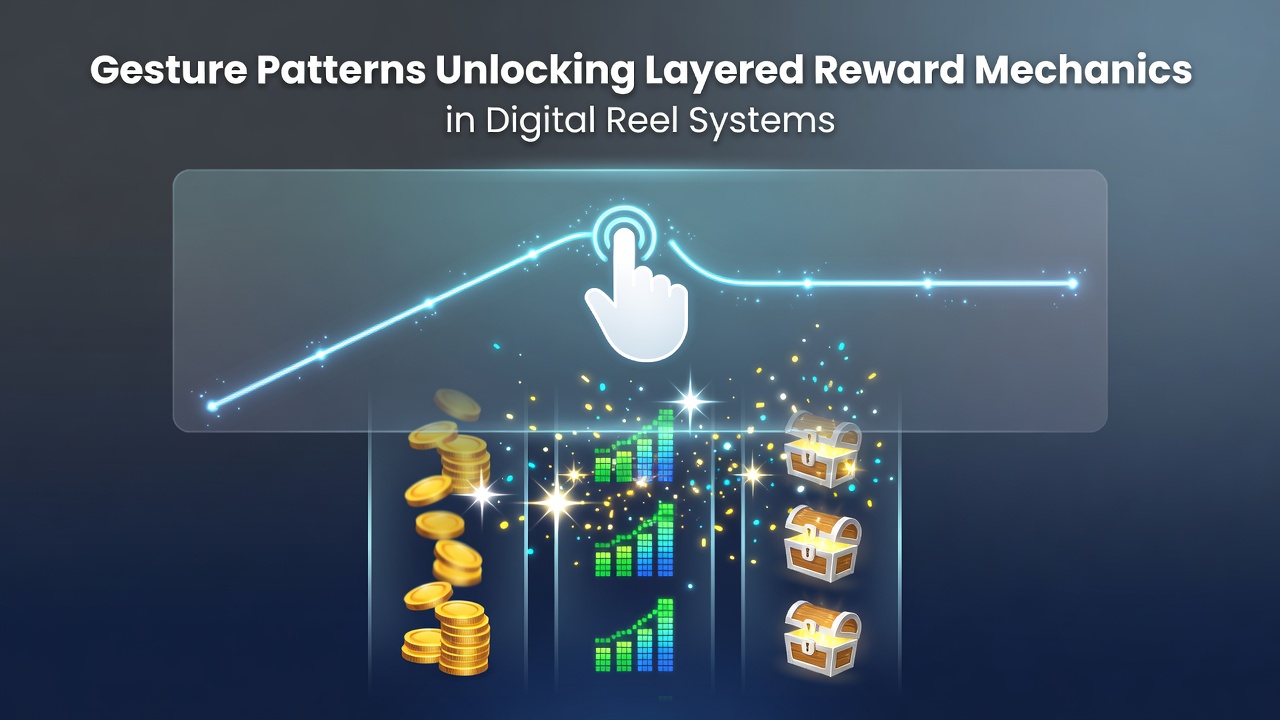
Gesture Patterns Unlocking Layered Reward Mechanics in Digital Reel Systems
Digital reel systems in modern gaming platforms rely on gesture recognition technology to create interactive pathways that unlock successive reward layers, and this approach integrates touch input sequences directly into the core mechanics of reel spins and bonus activations. Researchers at institutions focused on human-computer interaction have documented how specific patterns such as circular swipes, diagonal drags, and multi-finger holds map onto software triggers that escalate from base-level payouts to compounded bonus structures while maintaining compliance with platform standards.
Core Components of Gesture Integration
Touchscreen interfaces detect sequences of movements that correspond to predefined reward escalations, and these detections occur through layered software protocols that process input velocity, direction, and duration in real time. A single horizontal swipe might initiate a standard reel spin, whereas a sustained vertical hold followed by a release can activate an overlay of multiplier mechanics that stack additional reward tiers onto the initial outcome. Observers note that such systems separate gesture categories into primary, secondary, and tertiary inputs so that each pattern level feeds distinct reward modules without overlapping computational demands.
Primary Gesture Categories and Their Functions
Primary gestures include taps and short swipes that handle routine reel engagements, while secondary patterns like figure-eight motions or pinch expansions shift the system into bonus detection modes. Tertiary gestures, often involving prolonged contact combined with directional changes, unlock the uppermost reward strata that incorporate progressive elements and shared pool contributions. Data from interface testing labs shows these categories reduce input latency by routing each gesture through dedicated processing threads that operate in parallel with the reel animation engine.
Implementation relies on calibration algorithms that adjust sensitivity thresholds based on device orientation and user calibration profiles, and this ensures consistent recognition across handheld and stationary platforms. Industry reports from the Nevada Gaming Control Board indicate that gesture-enabled systems underwent standardized validation procedures in early 2026, confirming that pattern recognition accuracy exceeds 98 percent under variable lighting and screen conditions.
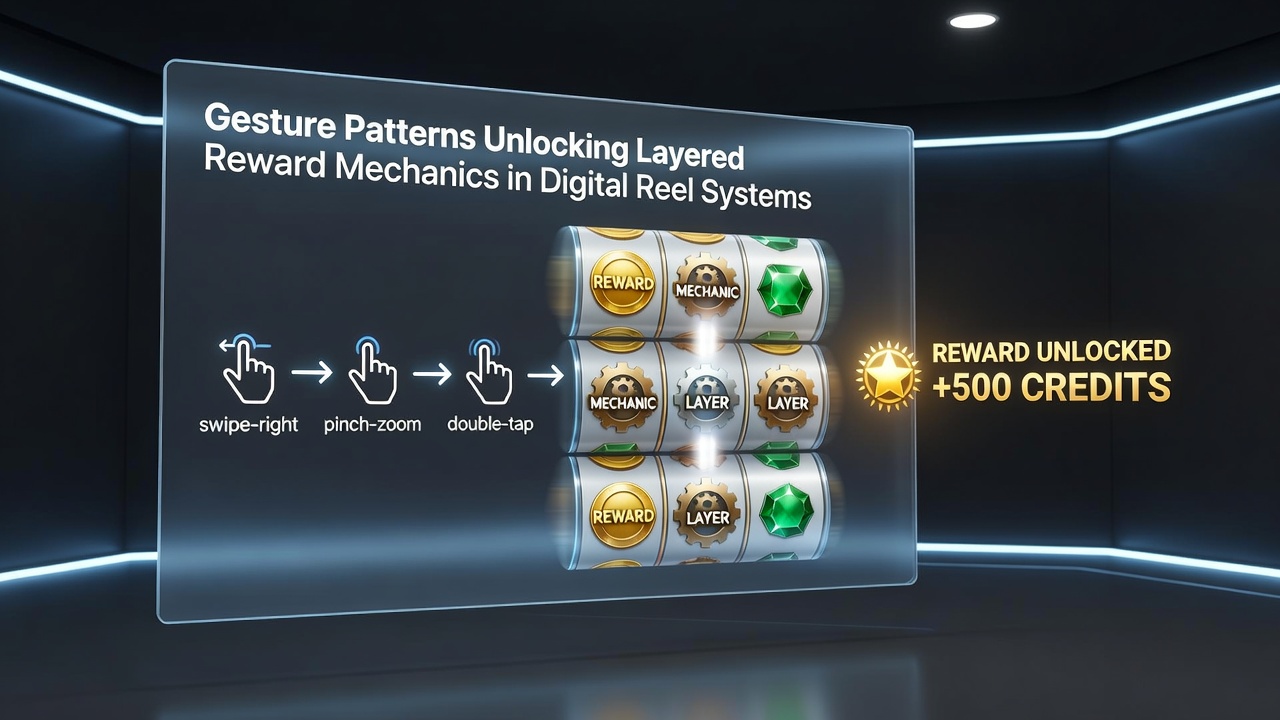
Layered Reward Mechanics Explained
Reward layering occurs when an initial gesture unlocks a base outcome that subsequent gestures then modify through additive or multiplicative factors, and this progression creates depth without requiring separate game modes. A diagonal swipe across three reels might reveal symbol alignments that qualify for the first reward layer, after which a circular gesture around the result screen applies a volatility adjustment that feeds into the second layer. teh third layer activates only when the combined pattern satisfies conditional thresholds stored in the backend database, such as consecutive successful inputs within a timed window.
Software architecture separates these layers into modular components that communicate through event buses, allowing independent updates to each tier while preserving overall system integrity. Academic studies published through the University of Nevada, Las Vegas gaming research division have examined how such modular designs affect session duration metrics, revealing that layered systems correlate with extended play intervals when gesture sequences remain intuitive.
Developments Observed in Mid-2026
By June 2026 several platform providers had incorporated adaptive gesture libraries that learn common user sequences and pre-load corresponding reward pathways, and this optimization shortens the interval between input and outcome display. Regulatory frameworks in multiple jurisdictions now require explicit documentation of gesture-to-reward mappings so that audit trails capture every pattern that influences payout calculations. European gaming technology associations have released guidelines emphasizing transparent mapping tables that list each recognized gesture alongside its associated reward escalation rules.
Testing protocols include randomized input simulations that verify no single gesture sequence grants disproportionate access to higher layers, and these protocols run continuously on live servers to detect anomalies. Figures from platform analytics firms show that gesture-driven layering accounts for measurable increases in bonus trigger frequency compared with button-only interfaces, though exact percentages vary by title and region.
Technical Considerations and Standards
Gesture recognition engines employ machine learning models trained on large datasets of touch coordinates, pressure values, and timing intervals, and these models update periodically through over-the-air patches that refine classification boundaries. Hardware sensors embedded in modern displays supply the raw data streams that feed these models, ensuring sub-millisecond response times even when multiple gestures occur in rapid succession. Compatibility standards drafted by international gaming hardware consortia specify minimum sensor resolutions and sampling rates necessary for reliable pattern detection across device classes.
Security measures encrypt gesture logs before transmission to central servers, preventing external interference with reward calculations, while on-device processing handles initial pattern validation to reduce network dependency. Observers have recorded that these safeguards align with broader digital integrity requirements adopted across North American and Asian markets during the first half of 2026.
Conclusion
Gesture patterns function as direct interfaces between player input and the multi-tiered reward architecture of digital reel systems, and their continued refinement depends on coordinated advances in sensor technology, software modularity, and regulatory oversight. Data collected through 2026 demonstrates measurable integration of these elements into commercial platforms, with validation processes confirming both functional reliability and auditability. Future iterations will likely expand the range of recognized patterns while maintaining the separation of reward layers that defines current implementations.