Deposit Pathways Fueling VIP Ascents in Online Slot Worlds
Dana Lorenz · Oct 29, 2026
Deposit Pathways Fueling VIP Ascents in Online Slot Worlds
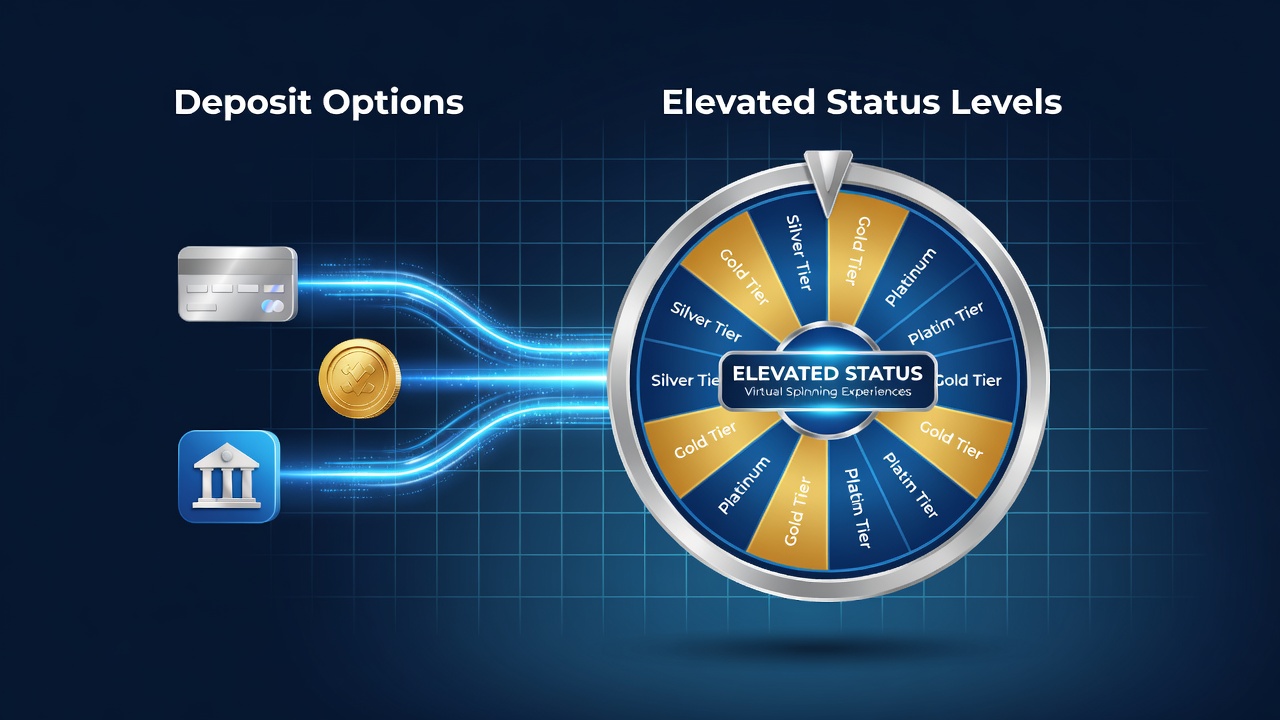
Virtual spinning experiences continue to evolve as operators link specific deposit options directly to status level advancements, creating structured pathways that reward consistent funding choices with accelerated access to higher tiers. Research from industry analysts indicates these integrations appear in multiple platforms where payment speed, method variety, and transaction frequency determine progression speed toward elite benefits such as customized free spin allocations and priority jackpot entries.
Mechanics Behind Deposit-Linked Status Systems
Operators design these systems so that deposit methods carrying higher verification standards or faster processing times contribute more points toward tier elevation, while standard options accumulate at slower rates. Data from platform analytics reveals users who select instant bank transfers or digital wallets often reach mid-level status within fewer sessions compared to those relying on traditional card methods. According to reports issued by the American Gaming Association, such tiered crediting mechanisms help maintain engagement by aligning financial activity with visible reward structures.
One operator case study showed that introducing deposit-based multipliers for status points increased average session lengths by measurable margins, particularly among players who combined multiple funding sources in single transactions. These mechanics operate through backend algorithms that track deposit volume, frequency, and type, then convert those metrics into loyalty points that unlock successive status levels automatically.
Payment Variety and Its Role in Tier Acceleration
Platforms incorporate diverse deposit options ranging from e-wallets and prepaid vouchers to cryptocurrency gateways, each carrying distinct point values that influence how quickly participants climb the status ladder. Observers note that cryptocurrency deposits frequently receive bonus multipliers in several markets because of their verification speed and lower processing fees, allowing users to accumulate status points more efficiently. Industry reports highlight similar patterns in regions where regulatory frameworks permit broader payment experimentation, such as certain Canadian provincial systems.
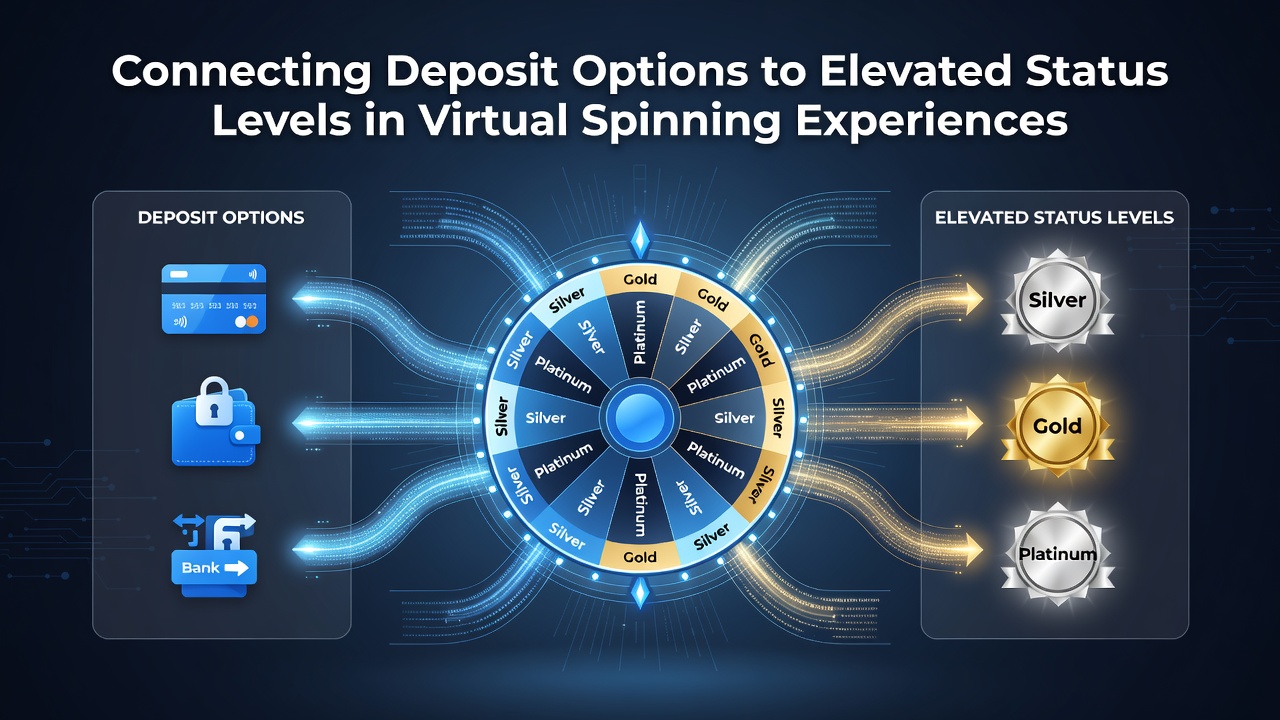
By October 2026, several platforms had expanded their accepted methods to include region-specific instant payment services, resulting in faster status progression for users who adopted these newer channels. Researchers at the University of Nevada's International Gaming Institute documented how such expansions correlate with higher retention rates among players who previously stalled at lower tiers due to limited funding flexibility.
Status Benefits Tied to Deposit Consistency
Higher status levels grant access to tailored experiences including exclusive promotional bundles and reduced withdrawal thresholds, yet these perks require sustained use of qualifying deposit methods to maintain eligibility. Figures from operational dashboards indicate that players maintaining monthly deposit thresholds through preferred channels retain elite status longer than those with irregular patterns. This structure encourages strategic planning around funding choices rather than sporadic activity.
Take one documented scenario where a mid-tier user switched to verified digital wallet deposits and reached top-tier status within three months, unlocking features like personalized jackpot alerts unavailable at lower levels. Such transitions demonstrate how deposit consistency functions as a direct lever for status elevation across various virtual spinning environments.
Current Trends Shaping Integration Practices
Market data compiled in late 2026 shows increased adoption of deposit-to-status linking in response to player demand for transparent progression systems. Regulatory bodies in multiple jurisdictions have begun reviewing these models to ensure compliance with responsible gaming standards, particularly around how deposit frequency influences reward distribution. External analyses from groups like the European Gaming and Betting Association suggest balanced implementations can support both operator goals and player protection measures when point systems include built-in spending caps.
What's interesting is the emergence of hybrid models that combine deposit type with gameplay metrics, creating compounded status gains for participants who align both elements effectively. These approaches appear in newer platform launches where operators test variations to identify optimal combinations that sustain long-term participation without encouraging excessive activity.
Conclusion
Connecting deposit options to elevated status levels represents a growing operational strategy within virtual spinning experiences, supported by measurable data on engagement patterns and tier progression rates. As platforms refine these linkages through October 2026 and beyond, the emphasis remains on clear, trackable systems that translate funding decisions into tangible status advancements for users across different markets.