Bridging verified exchange networks with cumulative privilege ladders in device-flexible entertainment formats
Parker Schulz · Jun 4, 2026
Bridging verified exchange networks with cumulative privilege ladders in device-flexible entertainment formats
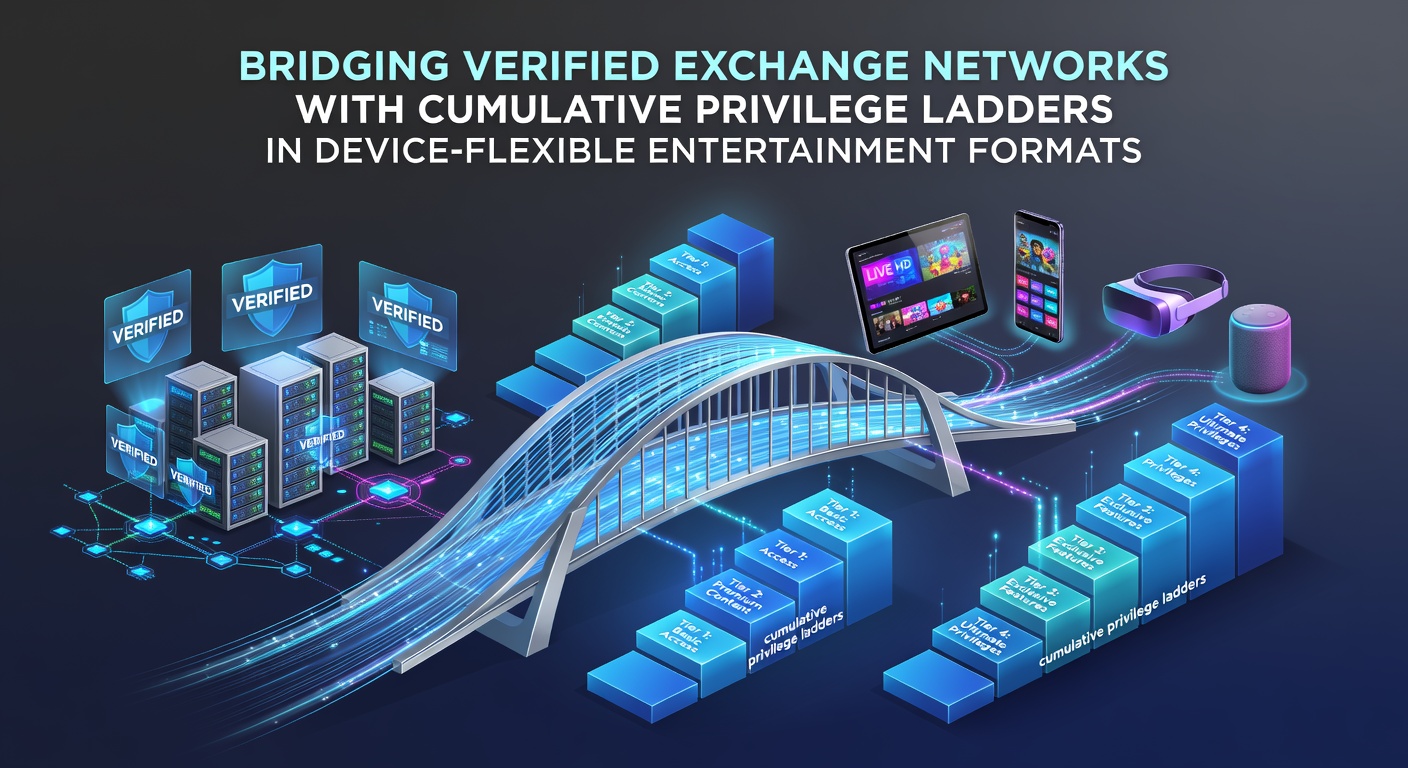
Verified exchange networks now connect transaction ledgers directly to user accounts in entertainment platforms while cumulative privilege ladders track accumulated activity across sessions and hardware types; observers note that integration occurs through standardized APIs that pull data from payment processors and loyalty databases simultaneously. Data from industry reports indicate that platforms handling cross-device access increased by 27 percent between 2024 and 2025 according to figures released by the Entertainment Software Association.
Core components of verified exchange networks
Verified exchange networks operate through encrypted channels that confirm identity and transfer value without exposing underlying account details while entertainment providers link these systems to content libraries and access controls. Researchers at the Massachusetts Institute of Technology documented how distributed ledger entries allow real-time reconciliation between user wallets and platform servers and the study highlighted protocols tested across North American and European servers in early 2025. Platforms that adopt these networks report fewer transaction disputes because each exchange carries cryptographic proof of completion and users maintain control over their activity history regardless of the device in use.
Integration requires compliance with regional data standards such as those outlined by the Australian Competition and Consumer Commission which published guidelines in late 2025 on digital transaction transparency. Those guidelines specify audit trails that platforms must retain for at least seven years and several major streaming services adjusted their backend systems accordingly by March 2026.
Structure of cumulative privilege ladders
Cumulative privilege ladders assign escalating access rights based on total engagement metrics that accumulate across phones, tablets, and consoles and the system records time spent, content completed, and social interactions within each tier. A report issued by the European Gaming and Amusement Federation in February 2026 showed that 41 percent of surveyed platforms now synchronize these ladders with external verification services to prevent duplicate accounts from inflating progress. Privilege levels unlock features such as earlier release access or exclusive modes and the ladders reset or carry forward depending on platform policy rather than device ownership.
Device flexibility in practice
Device-flexible formats allow the same privilege ladder to function whether a user switches from a mobile app to a smart television interface or a desktop client and synchronization happens through cloud-stored profiles that reference verified exchange records. Engineers at several firms developed middleware layers that translate session data into standardized privilege scores and testing conducted throughout April and May 2026 confirmed consistent tier advancement across operating systems. Users therefore continue accumulating status without manual transfers and platforms maintain a single authoritative record of progress.
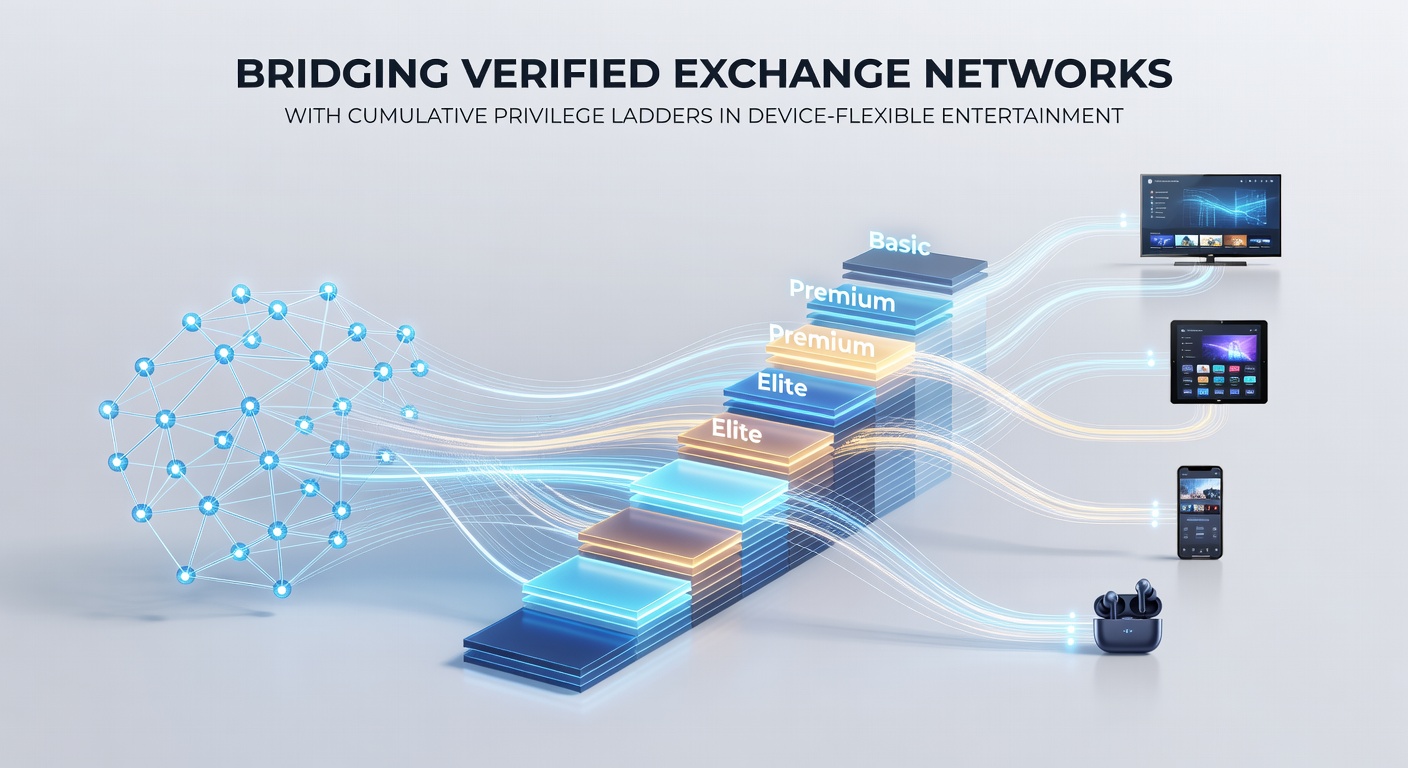
What's notable is that verified exchange data feeds directly into ladder calculations so that completed purchases or transfers automatically contribute points toward the next tier and this linkage reduces manual verification steps. A case study presented by researchers at the University of Tokyo in June 2026 examined a multi-platform entertainment service that combined both systems and found average user retention rose 19 percent after the bridge was implemented. The study tracked participants across three months and confirmed that status progression remained uninterrupted during device changes.
Technical bridging mechanisms
Bridging occurs when application programming interfaces map verified transaction events onto privilege scoring algorithms and the mapping uses timestamped records to ensure chronological accuracy. Platforms employ rule engines that trigger tier reviews whenever a verified exchange exceeds a threshold value and the engines operate independently of any single hardware type. Observers note that this approach prevents fragmentation because the central ledger remains the source of truth while local caches on devices update within seconds of confirmation.
Security protocols require multi-factor authentication at both the exchange and ladder layers and several providers adopted zero-knowledge proofs in 2025 to verify eligibility without revealing full transaction histories. The Canadian Centre for Cyber Security released an advisory in January 2026 recommending these methods for any service handling cross-device entitlements and multiple companies incorporated the suggestions into their June 2026 updates.
Current adoption patterns
Adoption has accelerated among providers that operate across at least four device categories and statistics compiled by the Interactive Digital Software Association reveal that 63 percent of new entertainment titles launched in the first half of 2026 included verified exchange hooks. Privilege ladders appear most frequently in subscription-based models where ongoing engagement drives tier movement and the combination allows platforms to reward verified spending alongside time-based activity. Regional differences persist with Asian markets showing faster integration of mobile-first ladders while North American services emphasize console and PC parity.
Conclusion
Bridging verified exchange networks with cumulative privilege ladders creates unified progress tracking that functions across device types and the technical foundation rests on standardized data exchange and cryptographic verification. Reports from multiple regulatory and academic sources indicate continued expansion through the remainder of 2026 as platforms refine synchronization methods and compliance frameworks. The resulting systems deliver consistent user experiences while maintaining separate but linked records for transactions and status advancement.