Augmented Reality Overlays Redefining Immersion Levels in Electronic Reel Gaming Systems
Parker Schulz · May 23, 2026
Augmented Reality Overlays Redefining Immersion Levels in Electronic Reel Gaming Systems
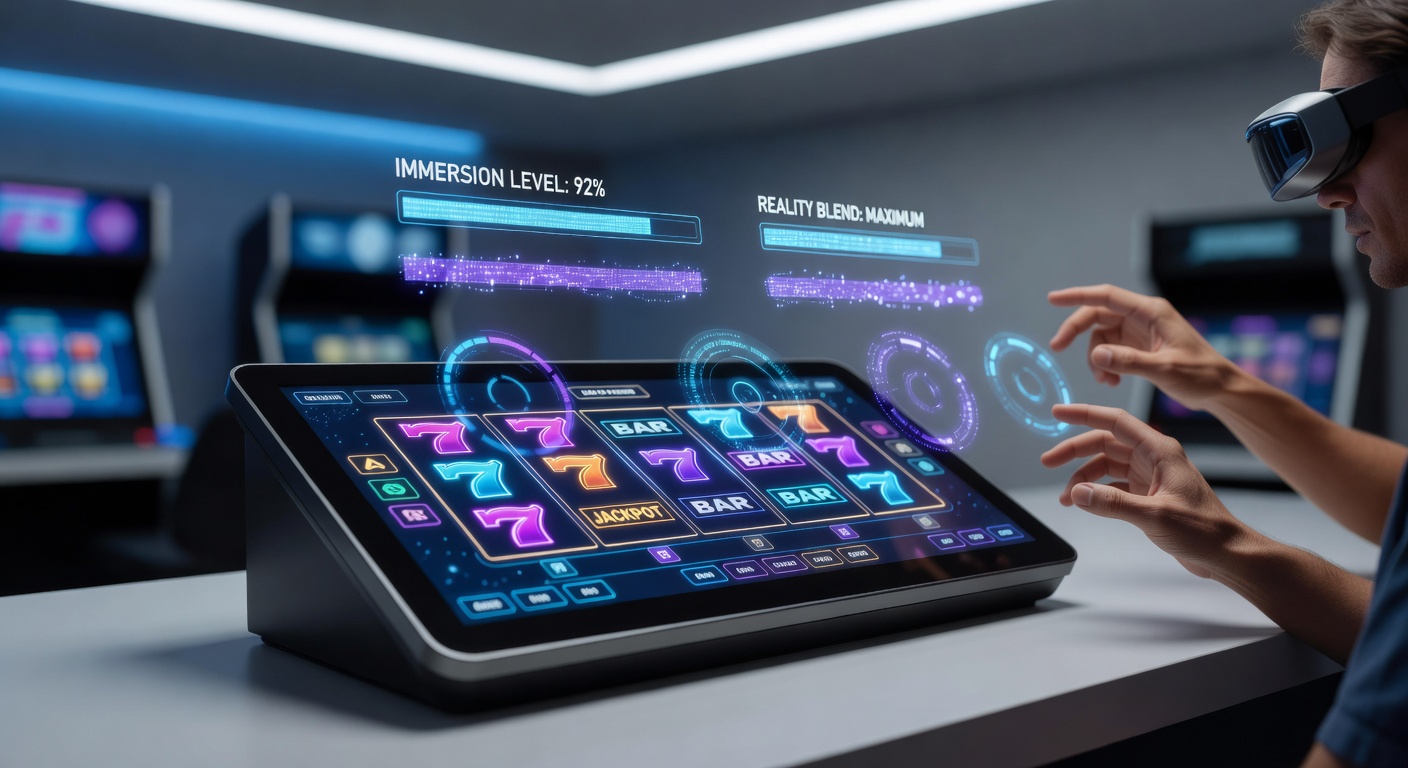
Electronic reel gaming systems have incorporated augmented reality overlays that project digital elements directly onto physical or screen-based reels, and these additions create layered visual experiences that blend real-world mechanics with computer-generated graphics. Developers integrate AR through headsets, tablet cameras, or fixed venue displays, allowing symbols and animations to appear as if they occupy the same space as the spinning reels themselves. Data from industry reports shows adoption rates climbing steadily through early 2026 as hardware costs drop and software compatibility improves across major casino operators.
Core Technology Behind AR Reel Integration
AR systems track reel positions in real time using sensors and computer vision algorithms, then render 3D models that align precisely with those movements. When a reel stops, the overlay activates additional layers such as floating multipliers, character interactions, or environmental effects that respond to the outcome. Manufacturers like those supplying Las Vegas properties have deployed these features in both land-based cabinets and hybrid mobile units, where players point devices at machines to activate the augmented view. Observers note that calibration routines now complete in under three seconds, reducing downtime between sessions compared with earlier prototypes tested in 2023 and 2024.
Processing occurs on edge servers located within venues or through low-latency cloud connections, which keeps latency below 20 milliseconds during peak hours. This speed allows overlays to react instantly to bonus triggers or near-miss sequences, maintaining synchronization even when multiple players engage the same bank of machines. Research conducted at the University of Nevada, Las Vegas indicates that frame rates above 90 per second produce measurable increases in player engagement duration across controlled trials.
Current Deployments and Geographic Patterns
By May 2026 several North American and Asian operators have rolled out AR-enhanced reel banks in high-traffic areas. Properties in Macau report that machines equipped with table-mounted projectors attract longer average play sessions than standard units on the same floor. In Australia, state-regulated venues have tested portable AR kits that attach to existing cabinets, projecting themed content without requiring full hardware replacement. These kits connect via standard USB ports and draw power from the machine itself, which simplifies installation across older equipment fleets.
European markets outside the United Kingdom show parallel activity, with suppliers demonstrating AR reel prototypes at trade events in Berlin and Barcelona. Regulatory bodies in these regions require separate certification for the overlay software, focusing on fairness verification and display accuracy rather than restricting the visual style. Figures released by the American Gaming Association reveal that AR-related patents filed by gaming technology firms increased 47 percent between 2024 and 2025, signaling sustained investment in this category.
Player Interaction and Interface Adjustments
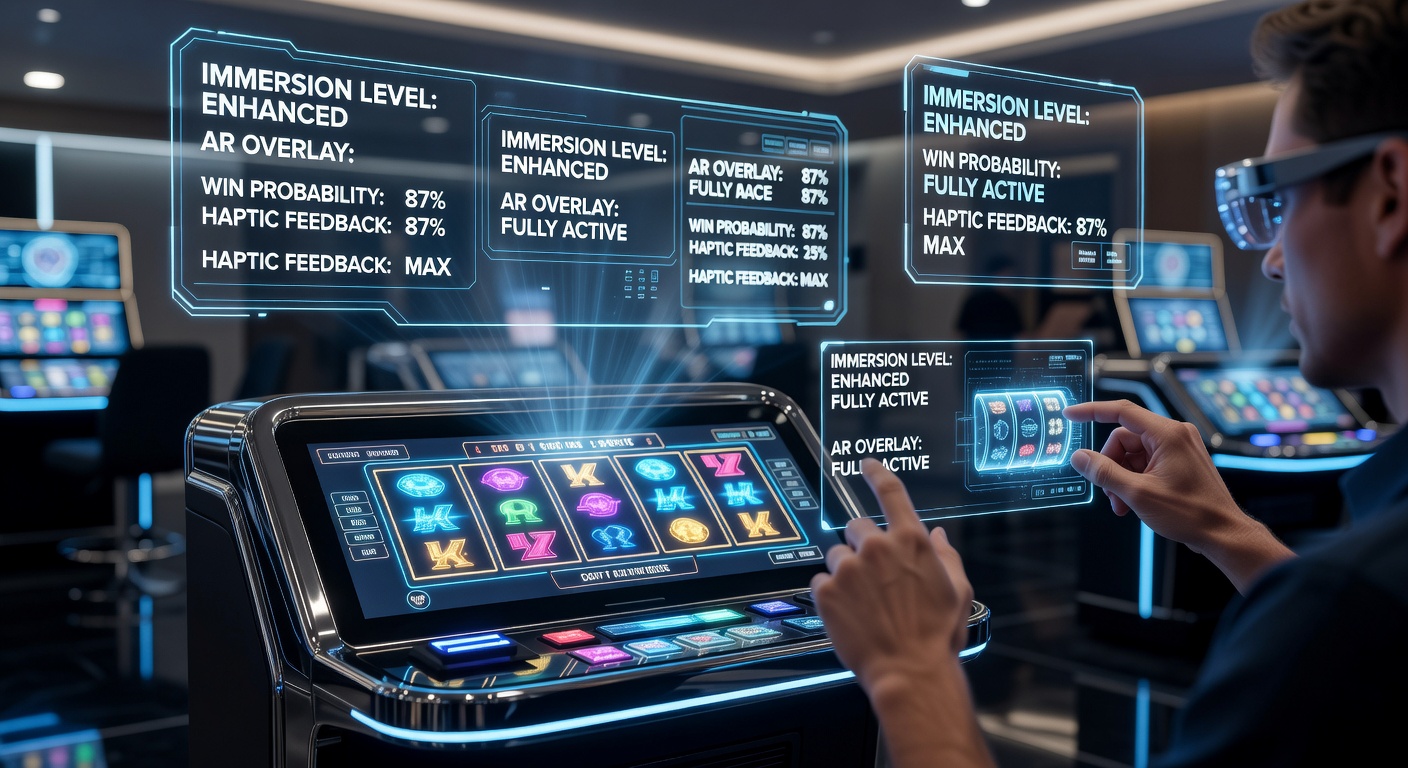
Users access AR features through simple gestures or on-screen toggles that activate the camera feed and align the digital layer. Once engaged, players can manipulate certain overlay elements, such as rotating bonus wheels or selecting thematic filters, while the underlying reel outcomes remain governed by the certified random number generator. Touchless controls via motion sensors have gained traction in venues concerned about surface hygiene, and these systems register hand positions with sub-millimeter precision according to supplier specifications.
Accessibility options include adjustable overlay opacity, color contrast modes, and audio cue replacements for players with visual or hearing considerations. Developers have documented that these customizations maintain regulatory compliance because they alter presentation only and leave payout percentages untouched. Venue operators collect anonymized usage logs that track feature activation frequency, helping refine future updates without storing personal identifiers.
Measurement of Immersion Metrics
Studies commissioned by gaming laboratories quantify immersion through eye-tracking, session length, and voluntary return rates. One dataset compiled in 2025 across 12 properties showed that AR-equipped reels produced 22 percent longer average dwell times than matched non-AR counterparts, with the difference most pronounced during bonus rounds. Heart-rate variability readings taken in smaller lab settings suggest heightened physiological engagement when overlays respond dynamically to reel stops.
Software analytics platforms now incorporate AR-specific telemetry that records which visual elements draw the most attention. These logs feed into iterative design cycles, allowing teams to emphasize high-engagement animations while scaling back underused ones. The process follows established A/B testing protocols already common in conventional slot development, ensuring changes undergo the same compliance reviews.
Hardware Evolution and Supply Chain Considerations
Component suppliers have introduced lighter AR headsets designed for prolonged wear, with battery life extending beyond four hours during continuous use. Cabinet-integrated projectors have also advanced, offering higher brightness levels that remain visible under typical casino lighting without requiring darkened zones. Supply chain reports indicate that micro-LED panels now constitute the majority of new AR display orders, replacing older LCD modules in premium installations.
Maintenance protocols include monthly sensor recalibrations and firmware checks that operators schedule during off-peak periods. Remote diagnostic tools allow technicians to identify alignment drift before it affects player experience, and replacement parts ship in standardized kits compatible with multiple cabinet models. These efficiencies contribute to lower total cost of ownership, which accelerates wider deployment beyond flagship locations.
Conclusion
Augmented reality overlays continue to expand within electronic reel gaming systems through incremental hardware and software improvements documented across multiple jurisdictions. Current implementations focus on precise alignment, low-latency rendering, and customizable interfaces that operate alongside certified game mechanics. Data collected through 2026 shows consistent patterns of extended engagement metrics and patent activity, while regulatory frameworks adapt certification processes to accommodate the new visual layer. Future refinements will likely build on these established foundations as component costs decline and operator experience accumulates.